Controlling Quality from the Fiber Up
The foundation of every great garment is its fabric. At DALI Enterprise, we don't merely purchase fabrics from external suppliers — we manufacture them ourselves. This vertical integration into textile production is one of the defining characteristics that separates DALI from conventional garment factories and enables us to deliver the consistency, quality, and customization that premium brands require.
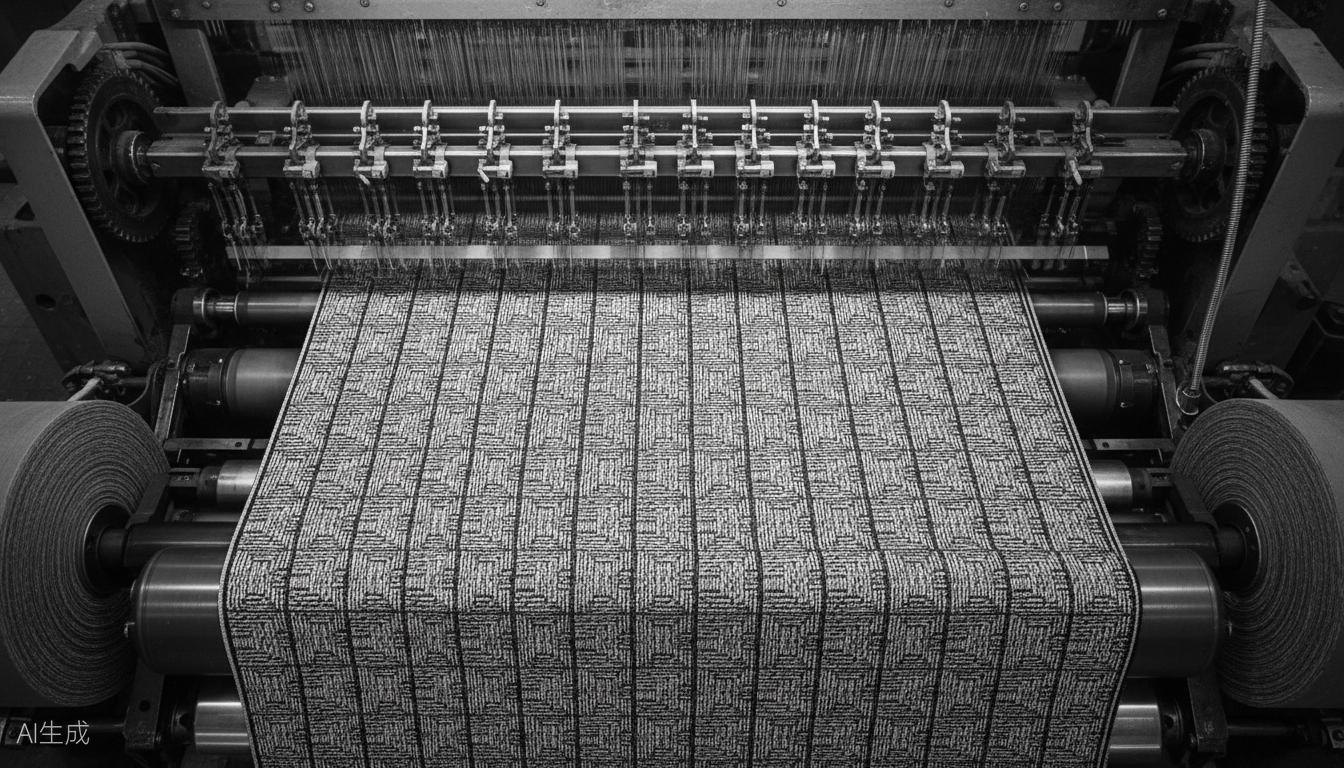
Our in-house fabric factory operates 105 knitting machines producing a comprehensive range of knitted constructions. Adjacent to the fabric production, our dedicated elastic tape factory produces customized elastics to precise specifications. Combined with our on-site dyeing and finishing capabilities, this creates a fully self-contained textile production ecosystem.
Fabric Manufacturing
Knitting Capabilities
With 105 fabric knitting machines, DALI produces the full spectrum of knitted textile constructions used in intimate apparel, activewear, and casual garments:
- Single Jersey — Smooth face, technical back. The most versatile knit construction for underwear and sleepwear.
- Interlock — Double-knit construction with identical faces. Stable, smooth, ideal for babywear and premium basics.
- Rib Knit — Vertical cord construction providing excellent stretch and recovery. Used for cuffs, neckbands, and fitted garments.
- Ponte di Roma — Double-knit with body and structure. Popular for structured loungewear and fashion applications.
- French Terry — Loop-back construction providing warmth and absorbency. Ideal for loungewear and casual collections.
- Mesh — Open construction for ventilation and design effects. Used in athletic and fashion applications.
- Jacquard — Patterned knit with custom designs woven directly into the fabric structure.
Fiber Options
Natural Fibers
- Cotton (combed, carded, organic)
- Modal (Lenzing certified)
- Bamboo fiber
- Viscose / Rayon
- Silk blends
Synthetic & Blended
- Polyester (including recycled)
- Nylon / Polyamide
- Spandex / Elastane / Lycra
- Coolmax performance fibers
- Custom fiber blends
Dyeing & Finishing
Our on-site dyeing facility provides complete color customization with precise shade matching. We offer piece dyeing, yarn dyeing, and fiber dyeing options depending on the desired color effect and construction. All dyeing processes meet Oeko-Tex Standard 100 requirements for chemical safety.
Finishing treatments include softening, moisture-wicking, antibacterial, anti-odor, and UV-protection applications. Custom finishes can be developed for specific performance requirements.
Elastic Tape Manufacturing
Elastic components are critical to garment performance, particularly in underwear, babywear, and activewear where stretch and recovery directly impact comfort and fit. DALI's dedicated elastic tape factory produces all elastic components in-house, eliminating the quality variability that comes from external sourcing.
Elastic Types
- Woven Elastic — Strong, durable, minimal stretch loss. Ideal for waistbands and heavy-duty applications.
- Knitted Elastic — Soft, comfortable, good stretch recovery. Preferred for direct-skin contact applications.
- Braided Elastic — Narrow widths, strong grip. Used for casings and sleeve hems.
- Fold-Over Elastic (FOE) — Satin or matte finish for binding edges. Popular in lingerie and athletic wear.
- Jacquard Elastic — Custom woven patterns and logos for branded waistbands.
- Silicone-Backed Elastic — Grip elastic for non-slip applications in swimwear and sportswear.
Custom Fabric Development
Beyond our standard fabric library, DALI offers complete custom fabric development services. Working from your specifications or design brief, our R&D team can develop unique textile constructions tailored to your exact requirements for weight, hand-feel, stretch, recovery, color, and performance characteristics.
The custom development process typically involves: specification review, lab sample knitting, hand-feel evaluation, color lab-dip approval, production sample knitting, quality testing, and final approval before bulk production.